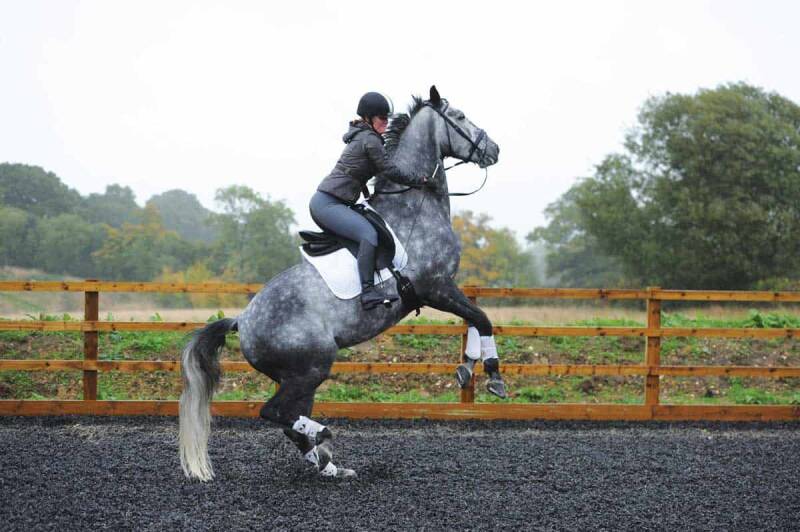
Working with a difficult Horse can be one of the most testing—and rewarding—experiences for any rider or handler. Whether you’re dealing with a green young horse, a “regal” horse with strong opinions and presence, or one that’s recovering from a traumatic past, the common thread is the same: progress rarely looks linear, and understanding matters more than control.
Green young horses: learning everything at once
Green horses are essentially beginners in a world full of expectations they don’t yet understand. Everything is new: saddle pressure, human cues, arenas, trailers, even simple routines. What often gets labeled as “naughty” behaviour is usually confusion or sensory overload.
If I could offer one piece of advice here, it would be this: slow is fast.
Rushing a young horse often creates problems that take years to undo. Instead, focus on clarity and repetition. Keep sessions short, predictable, and consistent. Reward the smallest try, not just the end result. A green horse doesn’t need perfection—it needs confidence.
And perhaps most importantly, don’t take setbacks personally. A spook, a refusal, or a loss of focus is rarely defiance; it’s information
“Regal” horses: the strong personalities
Some horses carry themselves like they already know they’re in charge of the room. They’re intelligent, expressive, and often quick to test boundaries. People sometimes call them “dominant,” but in reality, they’re often just highly aware and sensitive to inconsistency.
With these horses, fairness is everything.
They respond best when expectations are crystal clear and followed through without emotion. If you change your rules depending on your mood, they’ll notice immediately. If you stay consistent, they’ll usually meet you halfway—or even further.
The key is not to “win” against them, but to earn their respect through predictability and calm leadership.
Horses recovering from trauma: rebuilding trust
Perhaps the most delicate situation is working with horses who have experienced trauma—whether from neglect, harsh handling, or an accident. These horses may be reactive, shut down, or unpredictable, and progress can feel painfully slow.
Here, trust is the real training goal.
You are not just teaching skills—you are rewriting associations. That means every interaction matters. Pressure must always be paired with an easy way out. Safety must always come first. And silence, patience, and repetition often do more than any technique.
Some days, success might simply be a horse standing quietly beside you. That’s still progress.
A shared truth across all horses
Whether green, bold, or healing, horses respond to the same core principles:
- Consistency builds trust
- Calmness lowers reactivity
- Clarity reduces confusion
- Time builds confidence
There are no shortcuts, only conversations that happen at the horse’s pace.
I’d love to hear from others working with challenging horses. What has your experience been like? Have you worked with a green horse that suddenly “clicked,” a strong personality that taught you patience, or a rescue horse that slowly learned to trust again?
Share your stories, advice, and lessons in the comments—because often, the best knowledge in horsemanship comes from lived experience rather than theory.
Add comment
Comments