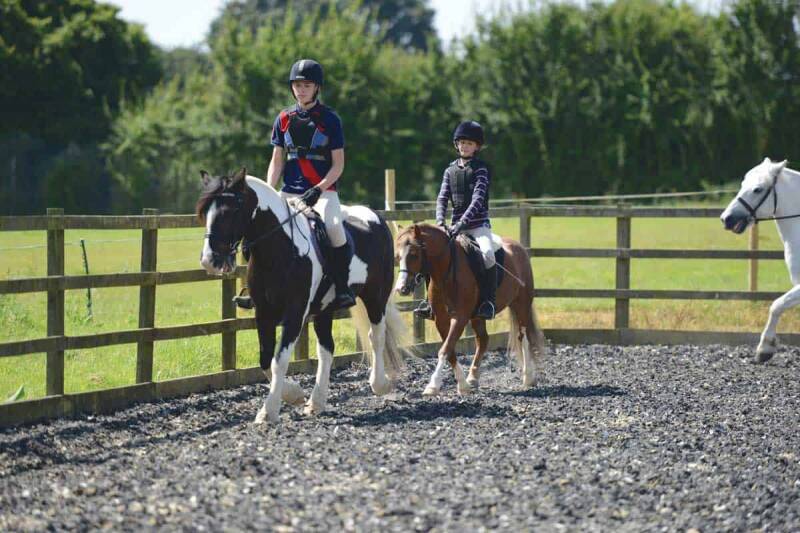
Are riding schools actually safe spaces for horses—or just routine overuse?
We often picture riding schools as calm places where horses are cared for and gently trained. But is that always the reality? With back-to-back lessons, different inexperienced riders, and limited rest time, are we normalising a system that prioritises schedules over the horse’s wellbeing? At what point does “training environment” start to look more like exhaustion?
Do riding schools treat horses like partners—or just equipment with hooves?
It’s easy to assume modern equestrian centres are welfare-focused, but is that always true behind the scenes? When horses are assigned lesson after lesson with little variation, are they still being treated as sentient partners—or reduced to reliable “machines” for beginners to learn on? Where is the line between education and exploitation?
Is the riding school model quietly creating stress for horses we don’t talk about enough?
We talk a lot about rider confidence and safety—but how often do we ask about the horse’s mental state? Constant noise, different riders, inconsistent handling—could this environment be quietly stressful in ways we’ve normalised? Are we ignoring subtle signs that some horses are simply not coping?
Are riding schools a necessary gateway to equestrian sport—or a system that needs serious reform?
Without riding schools, most people would never access horses. But does necessity excuse everything? If some horses are rotated through demanding daily routines, are we being honest about the cost of accessibility? Should the industry rethink how beginner training is structured to better protect the horses at its centre?
Add comment
Comments