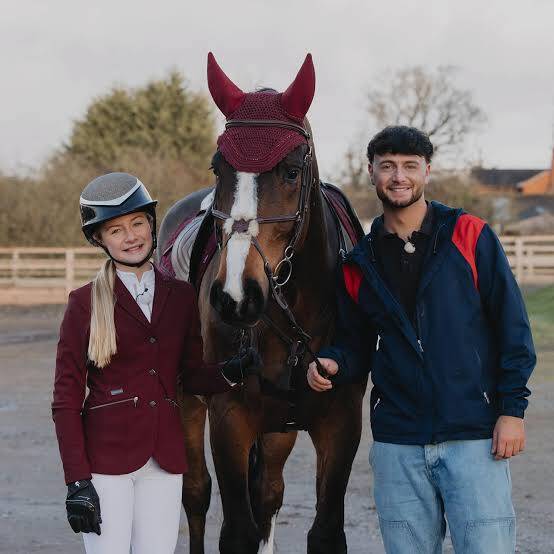
One of the biggest reasons equestrian influencers receive backlash is because viewers closely analyse horse welfare — especially when creators have large platforms. Small details that might go unnoticed in everyday riding suddenly become major talking points online, and influencers like Demir and Harlow have both found themselves at the centre of those discussions.
Demir’s riding, particularly conversations around rein contact, has sparked debate across social media. Critics often argue that his reins can appear overly tight in certain clips, questioning whether the horse is being ridden with too much pressure or restriction. Supporters, however, point out that short videos rarely show the full ride, the horse’s level of training, or what may be happening in that exact moment. It highlights one of the biggest issues with equestrian social media: people form strong opinions based on seconds of edited footage.
Harlow has also faced criticism, particularly regarding her choice of bits and tack. In the horse world, bits are always controversial because every rider has different beliefs about what is considered necessary, soft, or harsh. Some viewers feel stronger bits automatically signal poor riding, while others argue that certain horses genuinely require specific setups depending on training, safety, or responsiveness. The problem is that social media often removes nuance, turning educational discussions into black-and-white judgment.
Another recurring criticism aimed at influencers is the issue of keeping too many ponies or horses on limited land. Followers sometimes question whether creators are prioritising collecting animals over providing enough turnout space, grazing quality, or long-term welfare. In equestrian culture, land size has almost become symbolic of “good ownership,” even though proper management, rotation, exercise, and care matter just as much as acreage alone. Still, when influencers publicly showcase large numbers of ponies in small spaces, audiences naturally begin asking questions.
What makes these conversations complicated is that some criticism comes from genuine concern, while other comments are clearly fuelled by negativity, jealousy, or online mob mentality. Social media encourages spectators to act like experts, even when they may not know the horse’s workload, veterinary care, turnout schedule, or training background. A single image or clip can create a narrative that spreads faster than facts.
At the same time, equestrian influencers hold a level of responsibility because their audiences are impressionable. Many young riders copy what they see online, meaning rein use, tack choices, and horse management shown publicly can influence wider riding culture. That’s why viewers feel justified in speaking up when something appears questionable.
Ultimately, discussions around Demir, Harlow, and similar creators reflect a wider issue within the horse industry itself: where should the line between accountability and hate actually be drawn? Critiquing riding practices and welfare standards can be valuable, but once conversations turn into constant harassment or personal attacks, the focus often shifts away from the horses entirely.
Add comment
Comments