
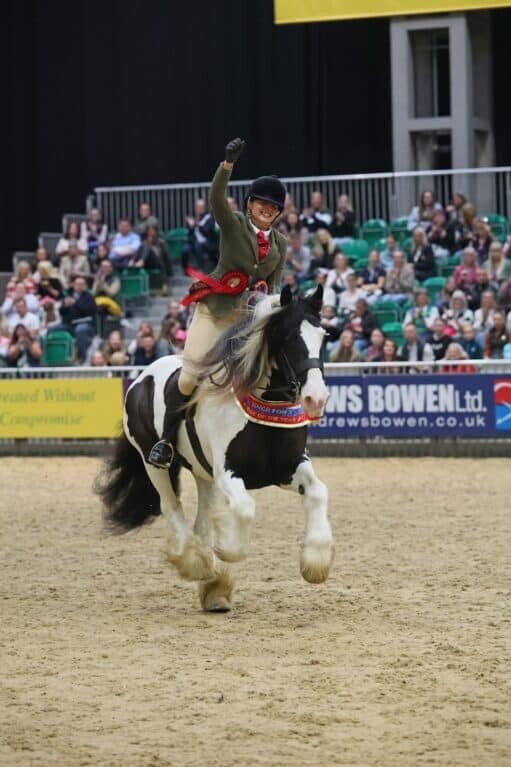
Few things divide the equestrian world faster than horse breed stereotypes. Scroll through social media long enough and you’ll eventually see the same arguments repeated everywhere: Thoroughbreds are “too sensitive,” cobs are “lazy,” Thoroughbreds are “crazy,” cobs are “boring.” Somewhere along the way, entire breeds have been reduced to internet personalities rather than actual horses.
Thoroughbreds often receive criticism because of their reputation for being sharp, reactive, and difficult to manage. Originally bred for racing, they are athletic, sensitive animals with high energy and strong work ethics. Because of this, inexperienced riders can sometimes struggle with them, which has led to the unfair stereotype that Thoroughbreds are dangerous or unstable. In reality, many Thoroughbreds are incredibly intelligent, affectionate, and versatile when placed in the right homes with correct training and patience.
At the same time, cobs are judged from the opposite direction. Instead of being labelled “too much horse,” they are often dismissed as chunky, lazy, or unsuitable for serious riding disciplines. Social media especially tends to glamorise elegant sport horses and flashy warmbloods, leaving cobs overlooked despite being some of the safest, kindest, and most adaptable horses in the industry. Many cobs carry beginners confidently, tolerate mistakes patiently, and excel in everything from hacking to showing and even dressage.
The irony is that both breeds are often criticised for qualities that actually make them valuable. Thoroughbreds are sensitive because they are responsive athletes. Cobs are calmer because they are steady-minded and forgiving. Neither is inherently better or worse — they are simply built for different riders, disciplines, and lifestyles.
A major problem within equestrian culture is the obsession with aesthetics and trends. Online, horses are often judged based on appearance before temperament or suitability. Tall, elegant Thoroughbreds fit the “sport horse” image many riders admire, but they are simultaneously mocked for being “hot.” Cobs, meanwhile, are loved privately by thousands of owners yet publicly underestimated because they don’t always fit the polished image social media pushes.
Breed hate also ignores one important truth: individual horses matter more than labels. A calm Thoroughbred exists. A difficult cob exists. Temperament depends on breeding, training, management, pain, rider ability, and personality — not just breed stereotypes repeated online for years.
Social media has made these stereotypes worse because people love oversimplified opinions. Calling Thoroughbreds “psycho” or cobs “fat field ornaments” gets engagement and reactions, even though those comments completely ignore the complexity of horses as individuals. What starts as a joke quickly becomes accepted as fact within riding culture.
In reality, both Thoroughbreds and cobs have shaped the horse world in huge ways. Thoroughbreds dominate racing, eventing, and sport horse breeding because of their athleticism and heart. Cobs remain some of the most trusted family horses and all-rounders because of their temperament, strength, and reliability. The equestrian world wouldn’t function without either of them.
Maybe the real issue isn’t the breeds themselves — it’s the horse community’s need to constantly compare, stereotype, and judge. Because at the end of the day, the “best” horse has never been about breed alone. It’s about partnership, compatibility, and the connection between horse and rider.
Add comment
Comments